
Pumice Stone and Lava Stone: Key Differences Unleashed (Guide 2025)

Have you ever wondered about the rocks beneath your feet? As a geologist, I’ve always been fascinated by the unique properties of volcanic stones, especially pumice and lava stone. These two might seem similar at first peek, but they’re actually quite different.
I’ll take you on a journey through the volcanic industry, exploring the distinct characteristics of pumice and lava stone. We’ll uncover their formation processes, physical properties, and common uses. By the end of this article, you’ll be able to spot the differences between these two volcanic rocks like a pro.
What Are Pumice Stone and Lava Stone?
Pumice stone and lava stone are both volcanic rocks, but they have distinct characteristics due to their formation processes. Let’s explore their origins and physical properties to understand their differences.
Origin and Formation
Pumice stone forms during explosive volcanic eruptions when lava with high water and gas content cools rapidly. As the lava is ejected into the air, it solidifies quickly, trapping gas bubbles within its structure. This process creates a lightweight, porous rock full of tiny air pockets.
Lava stone, also known as scoria, develops when lava flows cool and solidify on the Earth’s surface. Unlike pumice, lava stone forms more slowly and doesn’t trap as many gases. This results in a denser, heavier rock with fewer air bubbles. The cooling process allows for larger crystals to form within the rock’s structure.
Physical Characteristics
Pumice stone’s most notable feature is its extremely light weight, often allowing it to float on water. It’s highly porous, with a foam-like texture and a light gray to white color. The rock’s surface feels rough and abrasive due to its many tiny holes.
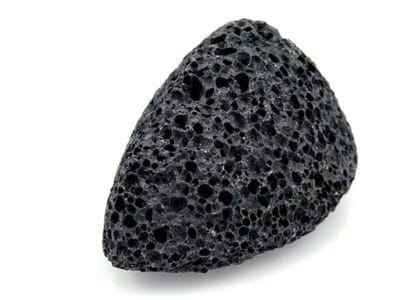
Lava stone, in contrast, is significantly heavier and denser than pumice. It has a more solid structure with fewer, larger vesicles (bubble-like cavities). Lava stone typically appears dark gray to black and has a rougher, more irregular surface. Its texture is coarse and gritty, making it ideal for various applications in landscaping and construction.
Key Differences Between Pumice and Lava Stone
While both pumice and lava stone originate from volcanic activity, they possess distinct characteristics that set them apart. Let’s explore the key differences between these fascinating volcanic rocks.
Density and Weight
Pumice stone stands out for its remarkably light weight. It’s so porous and airy that it often floats on water. This unique property stems from its rapid formation process, where lava cools quickly, trapping many air bubbles within its structure. The result is a rock that feels surprisingly light in hand, almost defying expectations for its size.
In contrast, lava stone, also known as scoria, is considerably denser and heavier. It has fewer air pockets and a more solid internal structure. When you pick up a piece of lava stone, you’ll immediately notice its substantial weight compared to pumice of a similar size.

Texture and Appearance
Pumice stone boasts a highly porous, sponge-like texture. Its surface is rough and abrasive, filled with countless tiny holes that give it a foam-like appearance. Color-wise, pumice typically appears light, ranging from white to pale gray shades. This light coloration, combined with its unique texture, makes pumice easily identifiable.
Lava stone presents a markedly different profile. It has a rugged exterior with fewer, larger pores compared to pumice. The surface is coarse and gritty, often featuring small, sharp protrusions. Lava stone comes in deeper, richer colors, typically dark gray, charcoal, or deep brown. Its appearance is more solid and robust, reflecting its denser composition.
Chemical Composition
Chemically, pumice shares similarities with granite and its fine-grained counterpart, rhyolite. It’s a silica-rich volcanic rock, containing high levels of aluminum oxide (alumina) as well. This composition contributes to its light color and unique properties. The rapid cooling process that forms pumice results in a glassy, amorphous structure rather than well-formed crystals.
Lava stone, depending on its exact type, can vary in chemical composition. Generally, it contains lower silica content compared to pumice and often has higher levels of iron and magnesium. This composition leads to its darker coloration and denser structure. The slower cooling process allows for more crystal formation within the rock, contributing to its distinct properties.
Uses and Applications
Pumice stone and lava stone, even though their volcanic origins, have distinct uses across various industries. Their unique properties make them valuable in gardening, personal care, and construction. Let’s explore these applications in detail.
Gardening and Horticulture
In gardening, pumice stone excels at improving soil structure. It enhances drainage, aeration, and moisture retention, outperforming lava rock in these aspects due to its higher porosity. Gardeners often incorporate pumice into potting mixes to prevent waterlogging and promote root health. Lava stone, or scoria, offers different benefits. Its rugged exterior and fewer pores result in better drainage properties, making it ideal for soil mixes where high water retention isn’t necessary. Lava rock also helps regulate soil temperature due to its thermal mass properties, providing a stable environment for plant roots.
Personal Care and Exfoliation
Pumice stone is a popular natural exfoliant in personal care routines. Its lightweight, porous structure makes it effective for gently removing dead skin cells from feet, elbows, and other rough areas of the body. The stone’s abrasive yet fine texture helps smooth calluses without causing damage to healthy skin. Lava stone, while less common in personal care, is used in spa treatments for its heat retention properties. It’s often heated and used in hot stone massages to relax muscles and promote circulation, offering a unique therapeutic experience.
Construction and Industrial Uses
In construction, both pumice and lava stone find valuable applications. Pumice is used as a lightweight aggregate in concrete, reducing overall building weight while maintaining structural integrity. Its insulating properties make it useful in the production of lightweight building blocks and as a component in soundproofing materials.
Lava stone, being denser, is often used in landscaping as decorative gravel or in the construction of retaining walls. Its durability and aesthetic appeal make it a popular choice for outdoor applications. Both stones are also used in filtration systems, with pumice’s high porosity making it particularly effective in water and air purification processes.
Comparative Benefits and Drawbacks
Pumice stone and lava stone offer distinct advantages and limitations when used in potting media. Let’s explore their comparative benefits and drawbacks in soil aeration, moisture retention, and long-term sustainability.
Soil Aeration and Drainage
Pumice stone excels in soil aeration and drainage due to its highly porous structure. Its many tiny air pockets allow for excellent air circulation within the soil, preventing waterlogging and root rot. This property makes pumice ideal for plants that require well-draining soil, such as succulents and cacti. Lava stone also enhances drainage but to a lesser extent than pumice. Its larger, less uniform pores provide good water flow but may not offer the same level of aeration as pumice. Both stones effectively prevent soil compaction, promoting healthier root systems.
Moisture Retention and Root Support
Lava stone outperforms pumice in moisture retention due to its denser structure. It absorbs water slowly and releases it gradually, creating a more consistent moisture level in the soil. This property is beneficial for plants that prefer slightly moist conditions. Pumice, while excellent for drainage, retains less water. But, pumice provides better root support due to its lightweight nature, allowing roots to easily penetrate and anchor themselves. Lava stone’s heavier composition offers stability to larger plants but may impede root growth in some cases.
Longevity and Sustainability
Both pumice and lava stone are highly durable and long-lasting additions to potting media. They don’t break down or decompose over time, maintaining soil structure for years. Pumice is slightly more sustainable as it’s often a byproduct of other mining operations. Lava stone, while also abundant, may require more energy-intensive extraction processes. Both materials are inert and don’t affect soil pH, making them suitable for a wide range of plants. Their longevity reduces the need for frequent soil amendments, contributing to more sustainable gardening practices.
Choosing Between Pumice and Lava Stone
Selecting the right volcanic stone for your needs depends on various factors and intended applications. Let’s explore the key considerations and best uses for pumice and lava stone to help you make an well-informed choice.
Factors to Consider
When choosing between pumice and lava stone, consider these crucial factors:
- Density and Weight: Pumice is significantly lighter, making it ideal for applications where weight is a concern.
- moisture Retention: Lava stone retains more moisture, benefiting plants that prefer slightly damp conditions.
- Porosity: Pumice’s higher porosity offers superior drainage and aeration.
- Appearance: Lava stone’s darker color and rugged texture may be more visually appealing in certain landscaping projects.
- Heat Retention: Lava stone excels in retaining heat, making it suitable for exact gardening or spa applications.
- Availability and Cost: Compare local availability and pricing of both stones to determine the most cost-effective option for your project.
Best Applications for Each Stone
Pumice stone is best suited for:
- Lightweight concrete and insulation in construction
- Soil amendment for plants requiring excellent drainage
- Water and air filtration systems
- Personal care exfoliation products
- Hydroponic growing mediums
Lava stone excels in:
- Landscaping and decorative garden features
- Heat-retaining applications in spas and saunas
- Mulching for temperature regulation in gardens
- Drainage improvement in heavy soils
- Durable outdoor construction projects
By considering these factors and applications, you can choose the volcanic stone that best suits your exact needs and project requirements.
Conclusion
Pumice and lava stone each offer unique properties that make them valuable in various applications. From gardening to construction and personal care, these volcanic rocks serve distinct purposes. I’ve explored their formation, characteristics, and uses to help you make informed decisions. Whether you’re looking to improve soil drainage, create a striking industry, or enhance your skincare routine, understanding the differences between pumice and lava stone is key. By considering factors like density, moisture retention, and appearance, you’ll be able to choose the right stone for your exact needs. Remember, both stones have their strengths, and selecting the appropriate one can significantly impact the success of your projects.