5 Callus Removal Mistakes to Avoid: Protect Your Skin and Feet

Are you tired of battling stubborn calluses, only to find yourself making matters worse? I’ve been there, and I know how frustrating it can be. As someone who’s dealt with rough, thickened skin for years, I’ve learned the hard way about the common pitfalls in callus removal.
Many people unknowingly damage their skin while trying to get rid of calluses. From using harsh chemicals to over-exfoliating, these mistakes can lead to pain, infection, and even more severe skin issues. But don’t worry – I’m here to help you navigate the industry of callus removal safely and effectively.
Understanding Calluses
Calluses are a common skin condition that many people encounter, yet they’re often misunderstood. To effectively address calluses, it’s crucial to understand what they are and why they form.
What Are Calluses?
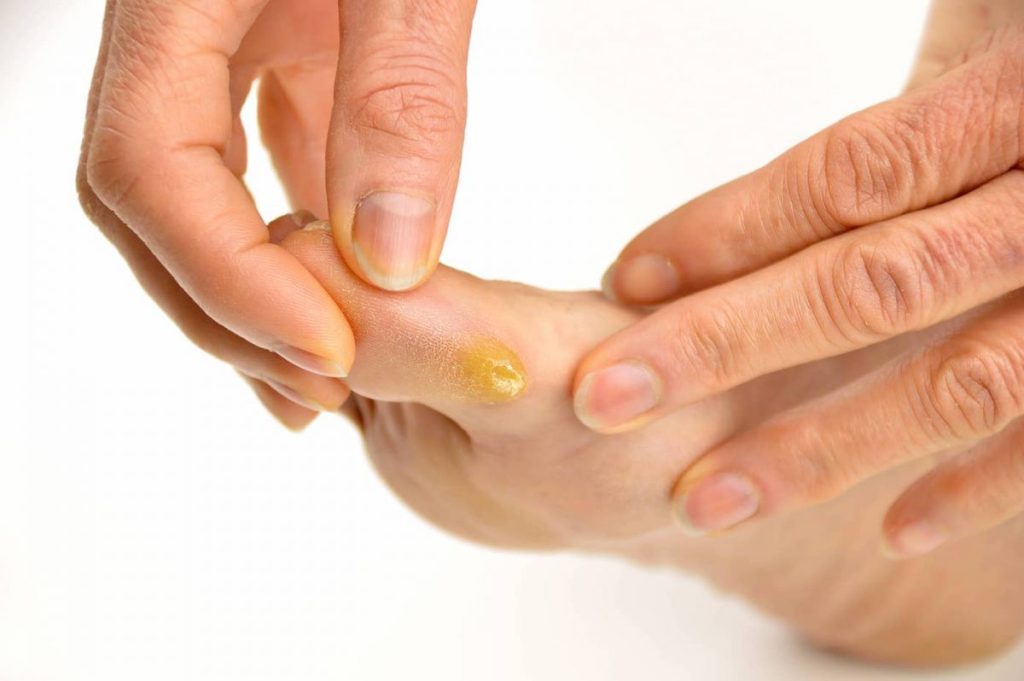
Calluses are thickened areas of skin that develop as a protective response to repeated friction or pressure. They’re the body’s natural defense mechanism, forming a tough layer to shield underlying skin from further irritation. I’ve observed that calluses typically appear on areas subject to frequent stress, such as the feet, hands, or elbows. Unlike corns, which are smaller and have a hard center, calluses are generally larger and more diffuse.
Common Causes of Calluses
I’ve found that several factors contribute to callus formation:
- Repetitive Friction: Activities like playing guitar, weightlifting, or manual labor often lead to calluses on hands.
- Ill-Fitting Footwear: Shoes that are too tight or loose can cause calluses on feet.
- Biomechanical Issues: Foot deformities or gait abnormalities may create pressure points, resulting in calluses.
- Lack of Proper Cushioning: Walking barefoot or wearing shoes without adequate padding increases callus risk.
- Occupational Hazards: Certain jobs requiring repetitive hand or foot movements can lead to callus development.
Understanding these causes is essential for effective prevention and treatment of calluses.
Proper Callus Removal Techniques
Safe and effective callus removal is essential for maintaining healthy skin. I’ll share techniques that minimize the risk of injury and infection while effectively addressing stubborn calluses.
Safe Tools for Callus Removal
When it comes to removing calluses, I always opt for gentle tools that won’t damage the skin. Pumice stones are my go-to choice for their effectiveness and safety. I use them on damp skin, applying light pressure in circular motions. Foot files with fine-grit surfaces are another excellent option. I prefer ones with long handles for easy reach. For precision work, I use emery boards designed for feet. These tools effectively slough off dead skin without risking cuts or abrasions. It’s crucial to clean and disinfect these tools after each use to prevent bacterial growth.
Effective Home Remedies
I’ve found several home remedies to be incredibly effective for softening and removing calluses. Soaking feet in warm water with Epsom salt for 15-20 minutes helps soften the skin, making it easier to remove dead cells. After soaking, I apply a mixture of baking soda and water to create a gentle exfoliating paste. For stubborn calluses, I use a natural acid treatment by applying a slice of lemon secured with a bandage overnight. The citric acid helps break down the thickened skin. Another favorite remedy is applying coconut oil or shea butter after exfoliation to keep the skin moisturized and prevent future callus formation.
Common Mistakes to Avoid
When removing calluses, it’s crucial to avoid certain pitfalls that can lead to skin damage, pain, and infections. Here are some common mistakes to steer clear of:
Overusing Harsh Chemicals
Harsh chemicals, especially those containing salicylic acid, can cause serious irritation and infection if used improperly. This is particularly risky for people with diabetes or poor blood circulation. I’ve found that following instructions carefully is essential when using medicated pads or liquids. To protect the healthy skin around the callus, apply petroleum jelly before treatment. It’s also important to limit the use of these products to avoid over-drying and damaging the skin. Always perform a patch test before applying any new chemical treatment to ensure you don’t have an adverse reaction.
Cutting Too Deep
Attempting to cut or trim calluses yourself is a dangerous practice that I strongly advise against. Using sharp objects like foot graters, razors, or even fingernail clippers can lead to severe infections and damage to healthy skin. These tools can easily cut too deep, causing bleeding and creating an entry point for bacteria. Instead of risking injury, seek professional help from a healthcare provider or podiatrist. They have the expertise and sterile tools necessary to safely trim calluses. If you must address calluses at home, stick to gentle filing with a pumice stone or foot file, and never cut into the skin.
Neglecting Moisturization
One of the biggest mistakes I see people make is forgetting to moisturize after removing calluses. Proper hydration is crucial for maintaining healthy skin and preventing future callus formation. After treating calluses, apply a thick, nourishing moisturizer to keep the skin soft and supple. Look for products containing ingredients like urea, glycerin, or hyaluronic acid, which help attract and retain moisture. Regular moisturizing not only prevents dryness but also helps maintain skin elasticity, reducing the likelihood of new calluses developing. Make it a habit to moisturize your feet daily, especially after bathing or soaking, to keep your skin in optimal condition.
Safe and Effective Callus Care
Proper callus care involves more than just removal techniques. It’s essential to adopt preventive measures and maintain overall foot health. Here’s how to ensure safe and effective callus care:
Proper Foot Hygiene
Maintaining good foot hygiene is crucial for preventing and managing calluses. I wash my feet daily with mild soap and warm water, paying special attention to areas prone to callus formation. After washing, I dry my feet thoroughly, especially between the toes, to prevent fungal infections. Exfoliating once or twice a week with a gentle scrub or pumice stone helps remove dead skin cells and prevent callus buildup. I also trim my toenails regularly to avoid pressure points that can lead to callus formation.
Choosing the Right Footwear
Selecting appropriate footwear is key to preventing calluses. I opt for shoes that fit well, with a roomy toe box and proper arch support. Shoes that are too tight or loose can cause friction and pressure, leading to callus formation. I avoid high heels for extended periods as they increase pressure on the ball of the foot. When captivating in exact activities, I use shoes designed for that purpose, such as running shoes for jogging or work boots for construction. I also use cushioned insoles or orthotics to provide extra support and reduce pressure on callus-prone areas.
When to Seek Professional Help
While self-care methods can be effective for managing calluses, there are instances when professional intervention becomes necessary. I’ll outline key scenarios that warrant seeking expert help to ensure proper foot health and prevent complications.
Signs of Infection
Recognizing signs of infection is crucial when dealing with calluses. I always advise watching for redness, swelling, warmth, or pus around the affected area. If you notice these symptoms or experience increasing pain, fever, or chills, it’s time to consult a healthcare provider immediately. Infections can spread quickly, especially in diabetic individuals, so prompt medical attention is essential. Also, if you observe any unusual discoloration or foul odor emanating from the callus, don’t hesitate to seek professional evaluation.
Underlying Health Conditions
Certain health conditions require extra caution when managing calluses. I emphasize the importance of professional care for individuals with diabetes, peripheral neuropathy, or circulatory disorders. These conditions can impair sensation and healing, increasing the risk of complications from callus removal. If you have any of these conditions, regular check-ups with a podiatrist are crucial. They can safely remove calluses and provide customized advice on foot care. Also, those with autoimmune disorders or taking immunosuppressive medications should consult a healthcare provider before attempting any callus removal at home.
Prevention Strategies
Preventing callus formation is key to maintaining healthy, smooth skin. By implementing the following strategies, you can significantly reduce the likelihood of developing stubborn calluses.
Regular Foot Maintenance
Regular foot care is essential for preventing callus formation. I recommend establishing a consistent routine that includes daily washing with mild soap and thorough drying, especially between the toes. Exfoliate your feet once or twice a week using a pumice stone or foot scrubber to remove dead skin cells before they accumulate. After exfoliating, apply a moisturizer containing ingredients like urea or glycerin to keep your skin hydrated and supple. Trim your toenails regularly and straight across to prevent ingrown nails, which can lead to pressure points and callus formation.
Protective Measures
Implementing protective measures is crucial in preventing calluses. I suggest wearing well-fitting shoes with adequate arch support and cushioning to distribute pressure evenly across your feet. Use custom orthotics or cushioned insoles to provide additional support and reduce friction in problem areas. For activities that put extra stress on your hands or feet, like weightlifting or gardening, wear appropriate gloves or padded socks. If you notice recurring pressure points, apply moleskin pads or silicone protectors to these areas before captivating in activities that might cause friction. Regularly inspect your feet for signs of irritation or redness, and address any issues promptly to prevent callus development.
Conclusion
Taking care of our feet is crucial for overall well-being. By avoiding common mistakes in callus removal and adopting proper foot care habits we can maintain healthy smooth skin. Remember to use gentle tools moisturize regularly and seek professional help when needed. With the right approach calluses can be effectively managed without compromising skin health. I hope these insights help you step confidently towards healthier happier feet. Stay informed stay proactive and enjoy the comfort of well-cared-for skin.